
The evolution of casinos A glimpse into gaming history
The Origins of Gambling
The history of gambling can be traced back to ancient civilizations, where games of chance were not only popular but integral to cultural practices. Archaeological evidence suggests that as far back as 3000 BC, the Chinese played games involving dice. Similarly, in ancient Rome, emperors and citizens engaged in various betting games, often during festivals or public events. These early forms of gambling laid the groundwork for what would eventually evolve into modern casinos, and today you can find exciting platforms like https://jokerys.net/ that continue this tradition.
In addition to dice, other early forms of gambling included betting on chariot races and gladiatorial combats. These events drew large crowds, and the act of wagering added an extra layer of excitement. Over time, the laws and regulations surrounding gambling began to form, as governments recognized its popularity and the potential tax revenue it could generate. This early regulation signaled the beginning of organized gambling.
The Middle Ages saw the emergence of card games in Europe, further solidifying gambling’s place in society. The invention of playing cards in China and their subsequent spread to Europe created new gambling opportunities, which attracted different social classes. While gambling was often frowned upon by religious institutions, it thrived clandestinely, setting the stage for the development of licensed gambling venues in the centuries to come.
The Birth of Modern Casinos
The first official casino, known as the Casino di Venezia, opened its doors in 1638 in Venice, Italy. This venue marked a significant shift, as it was specifically designed for gambling and entertainment, rather than simply being a tavern or inn with gaming options. The concept of a dedicated casino quickly gained popularity across Europe, leading to the establishment of casinos in cities like Monte Carlo and Baden-Baden, which became synonymous with luxury and high-stakes gambling.
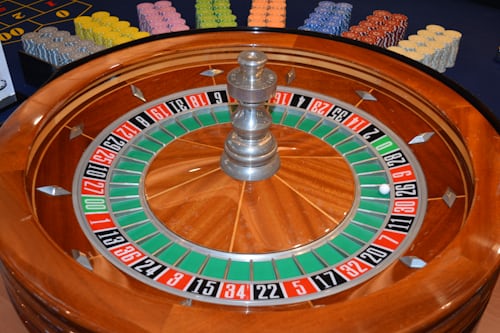
As the concept of the casino expanded, so did the variety of games offered. The introduction of games like roulette, baccarat, and blackjack not only attracted more players but also laid the foundation for the modern gaming experience. The allure of glamorous venues, coupled with thrilling games, transformed casinos into social hubs where the wealthy and elite gathered to gamble and socialize.
The 19th century brought about significant changes in the gambling landscape, particularly in America. The Gold Rush era saw a surge in gambling establishments, particularly in cities like San Francisco. These early American casinos were often rough and unregulated, catering to fortune seekers. However, as the demand for more formalized gaming experiences grew, state governments began to legislate the industry, leading to the emergence of the modern casino framework.
The Rise of Las Vegas
The rise of Las Vegas as the gambling capital of the world can be traced back to the 1940s and 1950s when the state of Nevada legalized gambling. With its picturesque desert landscape and relatively lenient laws, Las Vegas quickly became a magnet for gamblers seeking entertainment and excitement. The opening of iconic casinos like the Flamingo and the Sands changed the landscape of gambling forever, blending luxurious accommodations with high-stakes gaming.
During this golden age, the Rat Pack and various celebrities contributed to Las Vegas’s allure, making it a must-visit destination. The combination of glamorous shows, fine dining, and world-class gambling created an atmosphere unlike any other. The casino experience became synonymous with entertainment, where visitors could indulge in multiple forms of leisure all in one location.
The growth of Las Vegas also prompted the development of mega-resorts that offered a vast array of gaming options, dining experiences, and entertainment spectacles. These sprawling complexes transformed the casino landscape, making it not just a place to gamble but a full-fledged vacation destination. The emergence of themed resorts, such as the Venetian and Bellagio, introduced an element of storytelling and escapism that continues to define the Las Vegas experience today.
The Digital Revolution
The late 20th and early 21st centuries witnessed a radical transformation in the gambling industry due to the advent of the internet. Online casinos began to appear, offering players the ability to enjoy their favorite games from the comfort of their own homes. This shift not only expanded the reach of gambling but also democratized access to gaming, allowing players who may never have visited a physical casino to participate.
The introduction of mobile gaming further accelerated this trend, with smartphones enabling users to gamble on-the-go. This convenience has led to an explosion of online gaming platforms, offering a vast array of slot machines, table games, and live dealer options. As technology continues to advance, features like virtual reality and augmented reality are expected to revolutionize the online gambling experience, making it even more immersive and interactive.
Additionally, the rise of cryptocurrency has changed how players interact with online casinos. Many platforms now accept digital currencies, providing faster transactions and enhanced security. This new form of payment has attracted a tech-savvy audience eager for innovative solutions. As online gambling continues to grow, the future of casinos looks increasingly digital, with endless possibilities on the horizon.
Modern Gaming Experiences
Today, casinos offer a diverse range of gaming experiences that cater to different preferences. From high-stakes poker tournaments to penny slots, the variety of options ensures that there is something for everyone. Casinos have also embraced technology, incorporating cutting-edge gaming machines and interactive elements to keep players engaged. The integration of skill-based games is a notable trend, appealing to a younger demographic seeking more dynamic gaming experiences.
Furthermore, the concept of the casino has evolved to focus on the overall experience rather than just gambling. Many establishments now offer comprehensive entertainment options, including concerts, fine dining, and luxury accommodations. This holistic approach aims to create a memorable experience for guests, blending leisure and gaming seamlessly.
The importance of responsible gaming has also gained traction in the modern casino landscape. Operators are increasingly implementing measures to promote responsible gambling practices, ensuring that patrons engage in gaming as a form of entertainment rather than a financial solution. This commitment to player well-being reflects the industry’s acknowledgment of the challenges that can arise from gambling addiction.

Exploring Jokery’s Dynamic Offerings
Jokery represents a modern online gaming platform that captures the essence of the casino’s evolution. With a wide range of slots, live tables, and sports betting options, Jokery provides a comprehensive gaming experience tailored to today’s players. The platform boasts hundreds of modern video slots from leading studios, ensuring that users can find games that suit their individual preferences and tastes.
Beyond the impressive game selection, Jokery prioritizes user experience and security. New players are welcomed with attractive promotions, including a competitive welcome bonus that enhances their initial gaming experience. Additionally, the platform offers a seamless registration process and multiple payment methods to facilitate convenient transactions, ensuring players can focus on the fun.
With 24/7 customer support, Jokery remains dedicated to providing assistance and enhancing player satisfaction. As the gaming industry continues to evolve, platforms like Jokery are at the forefront, offering engaging and rewarding experiences that mirror the rich history of casinos while embracing the future of online gaming.